



Study Abroad Content Specialist | Updated On - May 19, 2026
Highlights
- Tuition fees for non-EU students range from €624 to €12,000 annually.
- Semester contributions are mandatory, typically costing €100–€350 per semester.
- Living costs average €900–€1,200 per month, with accommodation ranging from €300–€500 per month.
- Health insurance is mandatory, averaging €110 per month.
- Student visa fees are approximately €75.
MS in Germany Cost varies depending on the university, program, and city. Tuition fees for non-EU students typically range from €0 to €12,000 annually (₹0 to ₹13.37 lakhs), while monthly living expenses average around €950 to €1,300 (₹1.06 – ₹1.45 lakhs). Pursuing a Master of Science (MS) degree in Germany continues to be an attractive and cost-effective option for international students. With its world-class education system, strong research opportunities, and high employability, Germany remains a top destination.
Note: Conversion rate used in this article is 1 EUR = 111.44 INR
Also Check: MS in Germany

Table of Contents
Tuition Fees of MS in Germany for International Students
Germany is renowned for offering tuition free education in public universities, particularly for domestic and EU students. These fees can significantly vary depending on the university and program, while semester contributions remain mandatory for all students. Private universities charge considerably higher fees.
Cost of MS in Germany for International Students in Top Public Universities
Here’s a detailed breakdown of tuition fees for prominent German public universities:
|
University Name |
Tuition Fees Per Semester (EUR) |
INR Equivalent (₹) |
|---|---|---|
|
€4,000–€6,000 (Non-EU Master's) |
₹4.46 – 6.69 lakhs |
|
|
€0 (only semester fee ~€300–€350) |
₹0 (₹33k–39k semester fee) |
|
|
€1,500 (Non-EU) |
₹1.67 lakhs |
|
|
€0 (only semester fee ~€360) |
₹0 (₹40k semester fee) |
|
|
€1,500 (Non-EU) |
₹1.67 lakhs |
|
|
€0 (only semester fee ~€72–€150) |
₹0 (₹8k–17k semester fee) |
|
|
€1,500 (Non-EU) |
₹1.67 lakhs |
|
|
€0 (only semester fee ~€383) |
₹0 (₹42.7k semester fee) |
|
|
€0 (only semester fee ~€435) |
₹0 (₹48.5k semester fee) |
Note: Semester contributions often include public transportation and administrative fees, providing excellent value for students.
Cost of Living in Germany
Living expenses vary based on the city, lifestyle, and accommodation type. While larger cities like Munich, Stuttgart, and Hamburg tend to be more expensive, smaller cities and university towns offer more affordable options. On average, students should budget approximately €950–€1,300 per month (₹1.06 – ₹1.45 lakhs), which includes rent, food, transportation, health insurance, and miscellaneous expenses.
Average Living Expenses of a German Student
The German Centre for Higher Education Research and Science Studies (DZHW) outlines the following typical monthly expenses for students:
| Expense Type | Average Monthly Cost (EUR) | INR Equivalent (₹) |
|---|---|---|
| Rent (including utilities) | €350–€650 | ₹39,004 – ₹72,436 |
| Food (Groceries + Cooking) | €200–€280 | ₹22,288 – ₹31,203 |
| Transportation (Semester Ticket) | €0–€100 | ₹0 – ₹11,144 |
| Health Insurance (mandatory, student) | €120–€150 | ₹13,373 – ₹16,716 |
| Recreation, Culture, and Sports | €60–€100 | ₹6,686 – ₹11,144 |
| Miscellaneous Expenses | €100–€150 | ₹11,144 – ₹16,716 |
City-Wise Living Costs
Here’s how costs compare in major cities across Germany:
| City | Cost of Living Per Month (EUR) | INR Equivalent (₹) |
|---|---|---|
| Munich | €1,100 – €1,450 | ₹1.23 – 1.62 lakhs |
| Berlin | €950 – €1,250 | ₹1.06 – 1.39 lakhs |
| Stuttgart | €1,000 – €1,350 | ₹1.11 – 1.50 lakhs |
| Hamburg | €950 – €1,300 | ₹1.06 – 1.45 lakhs |
| Frankfurt | €1,000 – €1,350 | ₹1.11 – 1.50 lakhs |
| Leipzig | €800 – €1,050 | ₹89,152 – 1.17 lakhs |
Tip: Opting for smaller cities or university towns can reduce costs significantly, especially for accommodation and food.
Also Read: Cost of Living in Germany
MS in Germany: Registration Fees and Visa Costs
In addition to tuition and living costs, students need to consider other essential expenses like registration fees, visa costs, and standardized test fees.
|
Expense Type |
Cost (EUR) |
INR Equivalent (₹) |
|---|---|---|
|
€220 – €250 |
₹24,517 – ₹27,860 |
|
|
€230 – €280 |
₹25,631 – ₹31,203 |
|
|
€200 – €220 |
₹22,288 – ₹24,517 |
|
|
€75 |
₹8,358 |
|
|
Semester Contribution |
€150 – €400 |
₹16,716 – ₹44,576 |
Note: The semester contribution often includes access to public transportation and campus facilities.
Additional Insights and Tips
- Scholarships: Explore scholarships such as DAAD, Erasmus+, and university-specific grants that can significantly offset tuition and living costs.
- Part-time Jobs in Germany: International students can legally work up to 140 full days (or 280 half-days) per year. This usually allows around 20 hours per week during semesters and full-time work during holidays.
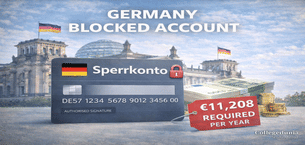
- Blocked Account: International students must show proof of financial stability through a blocked account with at least €11,904 (₹13.25 lakhs) per year.
- Public Transport Discounts: Many semester contributions include free or discounted access to public transportation.
Pursuing an MS in Germany in 2026 is a smart investment, blending high-quality education with affordable tuition and living costs. However, non-EU students must plan carefully to accommodate tuition fees and other expenses. For the latest updates, always refer to official university websites and trusted financial resources.
FAQs
Ques. Do all international students need to pay tuition fees in Germany?
Ans. Most public universities are tuition-free, but non-EU students at certain institutions (like TUM) are required to pay fees. However, semester contributions (€100–€350) are mandatory for everyone.
Ques. How much money do I need monthly to live in Germany as a student?
Ans. You’ll need around €950 to €1,300 (₹1.06 – ₹1.45 lakhs) per month, depending on the city, to cover rent, food, transport, and health insurance.
Ques. Are there hidden costs I should prepare for?
Ans. Yes, apart from tuition and living expenses, factor in health insurance (€110/month), visa fees (€75), and registration fees for tests like IELTS or GRE.
Ques. Is it possible to study MS in Germany for free?
Ans. Yes, tuition-free education is available at many public universities, but you’ll still need to pay semester contributions and cover living expenses.
Ques. How do I get health insurance, and how much does it cost?
Ans. Health insurance is mandatory and costs around €110/month. You can choose between public and private insurers, depending on your preference and budget.


1780054484.png?tr=w-305,h-145,c-force?h=175&w=350&mode=stretch)







Comments